The industry applications have the notorious commonality of unwanted flexibility and unintentional sensitivity to rotation. Representative industrial applications are the following:
1. Machine tool and milling machine
From long-distance travelling, equipped with a rack-and-pinion system, the cutting head or work table moves.
They fully support the machining processes of the largest components; they continue the motion over long travel, uninterrupted and continuous.
2. Material Handling and Conveyor Systems
The great majority of such applications may transport heavy loads over fairly long distances.
Rack and pinion arrangements have been a significant part of accomplishing strong, reliable transport without flex or loss of control.
3. Automated Warehouses
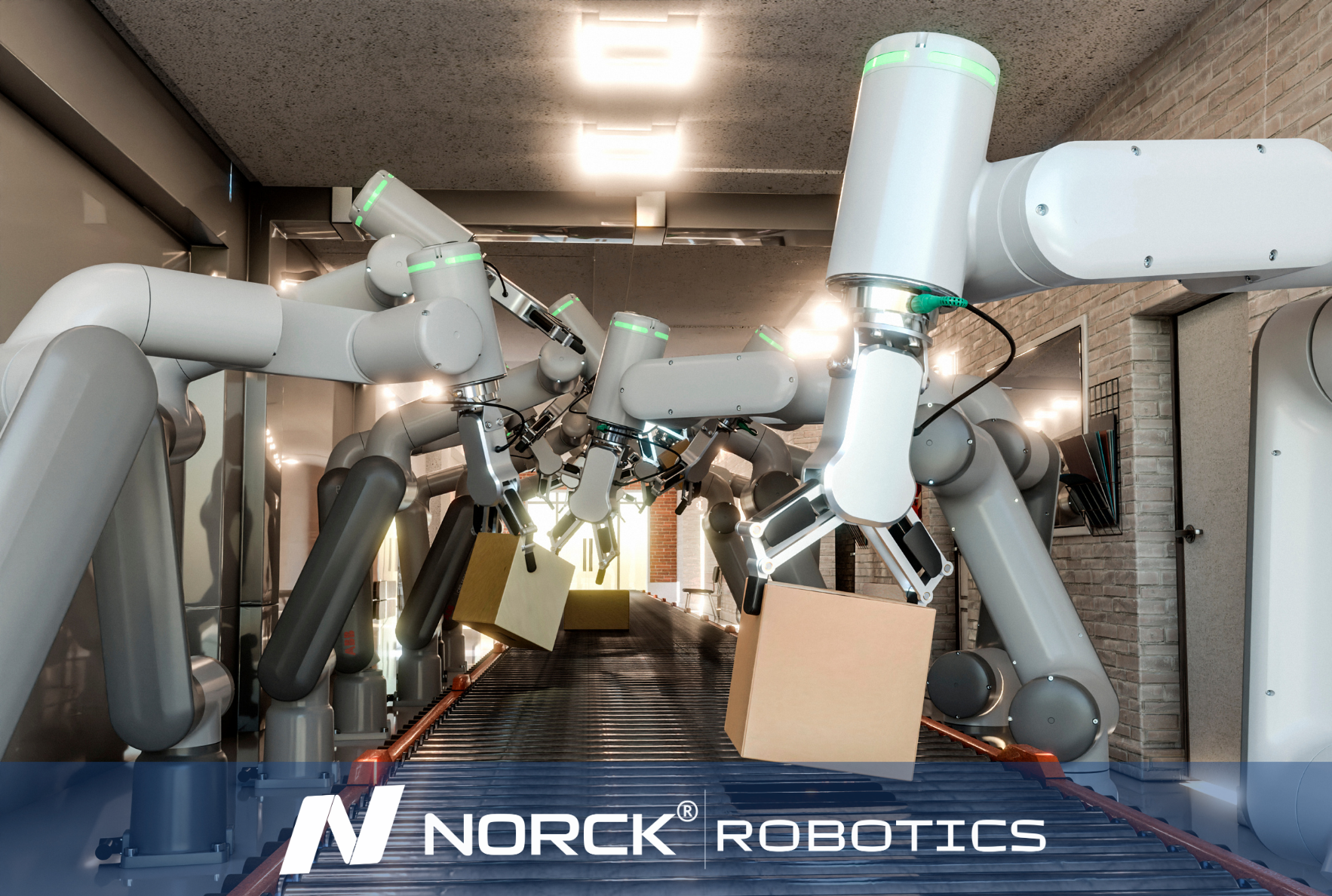
Waddling and shaggy in between gantry-style robotic retrieval systems picking up goods from one rack and depositing cabinets along huge aisles.
Its rigidity design enables it to have stability even with difficult loads or shifting weights.
4. Large-scale Robotics and Gantry Systems
Rack and pinions are often employed for moving industrial robots that travel across supported tracks.
That ensures an operation with total precision during welding or assembly while still being able to offer high stiffness.
5. Press and Die Machines
Some stamping and forming equipment has been installed with racks and pinions to produce long strokes constantly and powerfully.
6. Construction Equipment
Heavy, hard-duty rack and pinions find applications in construction equipment such as tower cranes and elevators for effective vertical and horizontal movements in harsh terrain.
In summary, rack and pinion mechanisms are ideal for industrial tasks that require rigid, accurate, and extended travel, especially where strength and low-maintenance operation are essential.