Force Feedback Wrist Motor/Joints:
The forces acting on the jittery wrist of robots have to be considered so that higher levels of precision, safety, and control could be exercised upon the automatic systems. This very Force Feedback Wrist Motor/Joint is in place to detect the forces that could be created during robotic movements and thus to enable the robot to feel its environment and react accordingly in real-time. This is a very critical aspect in tasks involving delicate handling, variable application of force, or interaction with an unknown surface.
Greater Precision and Control
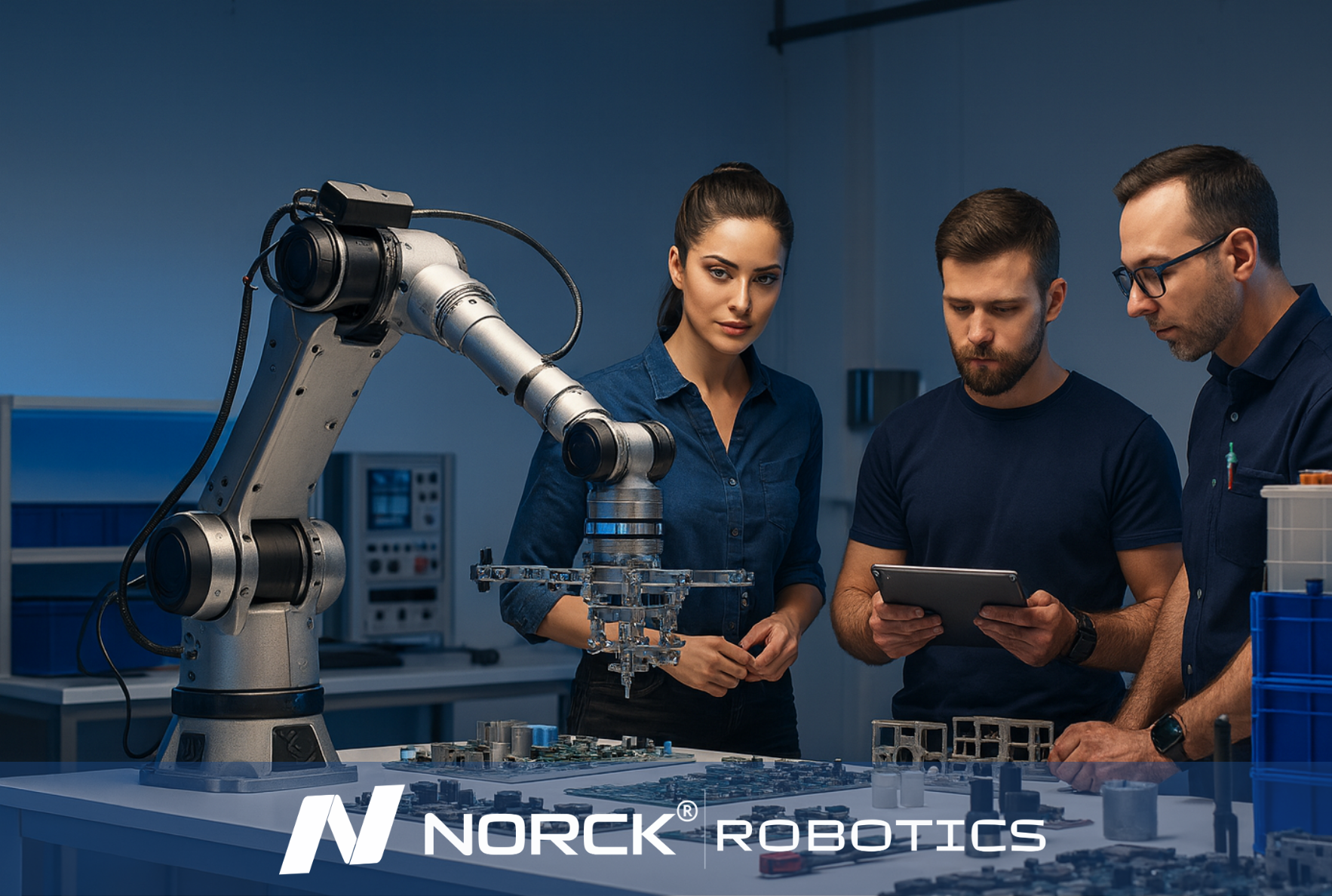
Force-feedback once enabled in a robotic wrist will measure the contact pressure and react thereto by applying just that amount of contact force necessary for the task at hand, especially assembly, polishing, or handling delicate electronics.
Increased Safety
Recognizing resistance or unexpected forces, it could restrain, halt, or bypass an action so as to prevent damage to parts, tools, or even human fellows nearby.
Handling Delicate Objects
In medical device manufacturing or electronics assembly fragile components have to be handled. Force feedback system ensures there will be just enough adjustment of grip force and motion so that the parts are spared from damage.
Adaptive Automation
Within real-time feedback, such a wrist can adapt to differences with regard to materials, surface textures, or alignment: no manual reprogramming is needed, adding flexibility to the production line.
Error and Consistency Reductions
The Force Feedback Wrist Motor/Joint ensures the fine consistency of force and applied pressure through its implementation on different repetitive tasks, reducing variability and increasing quality in automated operations.
Increased Safety
Recognizing resistance or unexpected forces, it could restrain, halt, or by pass an action so as to prevent damage to parts, tools, or even human fellows nearby.
With the Force Feedback Wrist Motor/Joint, manufacturers will raise the level of intelligence and chronological responsiveness in robotic systems, thus increasing productivity, quality, and safety in a wide range of industrial applications.