What is a Linear Actuator?
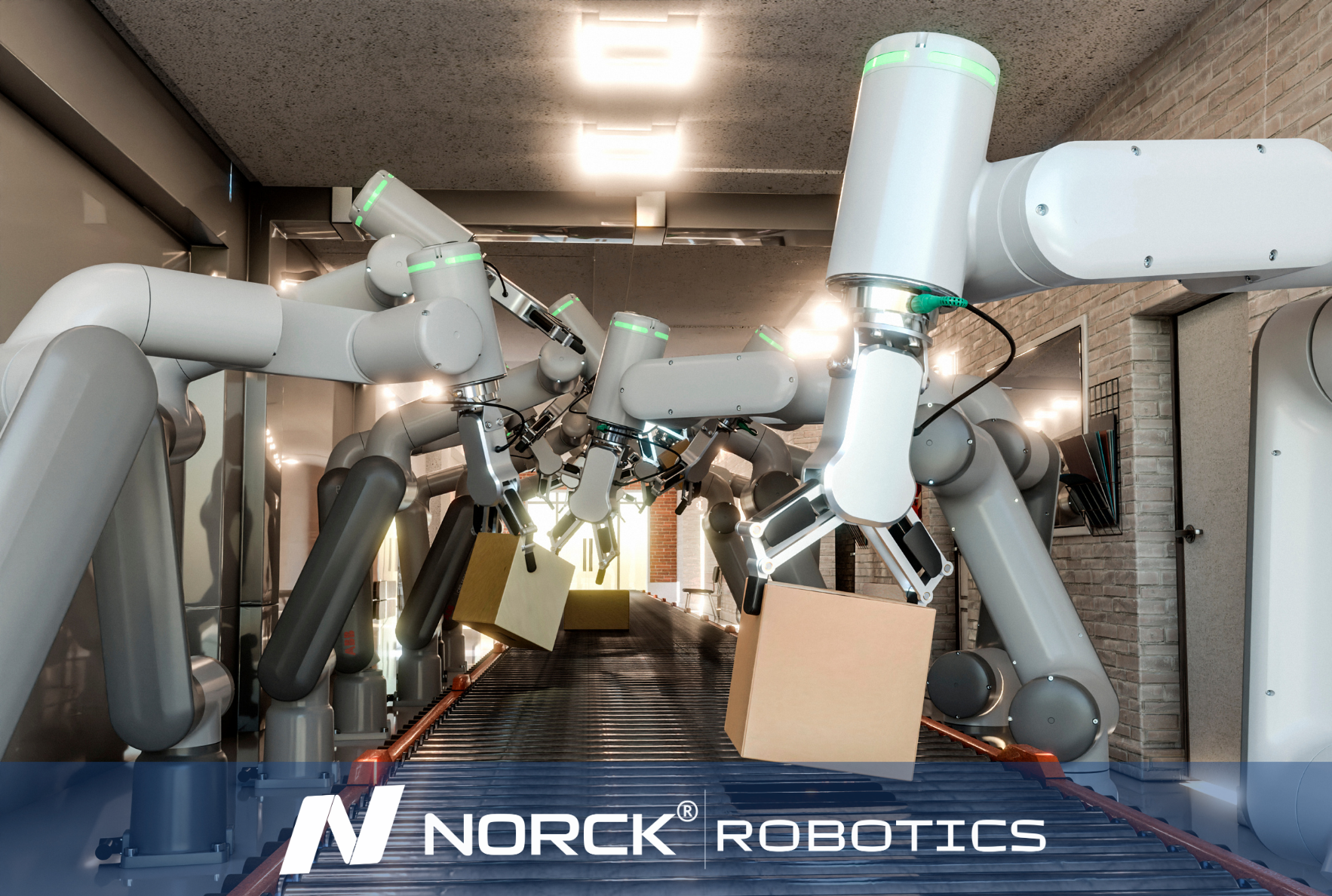
A linear motion actuator converts a power source such as electricity, pressurized fluid, or compressed air into straight-line movement. Instead of rotating a shaft, it pushes or pulls along a single axis. This makes a precision linear actuator ideal for robotic lifting, clamping, positioning, and pressing tasks that require consistent accuracy. For demanding applications, a high-force linear actuator delivers strong and controlled linear output.
Why Robots Use Linear Actuators
- Direct linear motion improves positioning accuracy and reduces mechanical losses
- Compact and sealed designs fit easily into robotic arms, grippers, and medical devices
- Integrated digital or analog feedback such as encoders or Hall sensors enables closed-loop control
- Many precision linear actuator models achieve repeatability better than ±0.05 mm
How Do Linear Actuators Work? (Different Drive Mechanisms)
Most electric units pair a motor with a power-screw:
- Lead-screw: cost-effective, moderate friction, good for 40–60 % duty cycles.
- Ball-screw: recirculating balls reduce friction → higher efficiency, longer life.
- Belt or rack-and-pinion: faster strokes over long travel, lower stiffness.
- Voice-coil / linear motor: no screw at all; direct electromagnetic thrust for ultra-smooth micron-scale moves.
A nut travels along the screw (or the carriage along the rail), turning rotary torque into linear thrust. Integrated limit switches or magnetic sensors stop travel at stroke ends.
What are the Advantages and Disadvantages of Linear Actuators?
Advantages
- Precision: microns of resolution with encoder feedback.
- Integration: simple wiring; PLC or CANopen libraries available.
- Clean & quiet: no hydraulic leaks, < 55 dB on most electric models.
- Low upkeep: sealed bearings; only periodic grease or screw relube.
Disadvantages
- Force ceiling: electric types top out at ~10–15 kN; hydraulics go far higher.
- Speed limits: screw pitch and motor RPM cap fast cycles (~1 m s⁻¹ typical).
- Cost: servo-grade electric units cost more up-front than pneumatics.
- Temperature sensitivity: lubrication and electronics need derating below −20 °C or above +70 °C.
Why engineering teams choose Norck actuators
- End-to-end production control – ISO-certified CNC, anodizing, and clean-room assembly under one roof
- Proprietary wear treatments – boost corrosion and abrasion resistance for wash-down, vacuum, and high-temp duty
- Zero-backlash precision – precision-ground screws and preloaded bearings for smooth, stick-slip-free motion
- Configurable performance – choose custom strokes, force outputs, and sensor packages without extending lead times
- Predictable lifetime costs – accelerated lifecycle testing and condition-monitoring options minimize unplanned downtime
- Sustainable operations – energy-efficient machining cells and recyclable packaging cut your project’s footprint
- Global support network – application engineers and spare-parts hubs across North America, Europe, and Asia
What Criteria (Stroke, Force, Speed, Precision) are Important in Selecting a Linear Actuator?
- Stroke length: travel distance + safety margin (~10 %).
- Force / load: static + dynamic forces; include 25–50 % safety factor.
- Speed: cycles per minute; check screw pitch vs motor RPM.
- Precision & backlash: choose ball-screw or linear guide for < 0.02 mm play.
- Duty cycle: % of time under load; affects motor and screw life.
- Environment: dust, wash-down, radiation, temperature extremes.
- Feedback & control: analogue potentiometer, incremental encoder, or absolute encoder based on system requirements.
- Power & interface: 12 / 24 V DC, 48 V DC, or hydraulic supply; verify current draw and controller compatibility.