Skip to content
Conveyor System Design

Conveyor & Transfer Components

Conveyor and Transfer Components are essential mechanical and electromechanical elements used to move, position, and transfer materials or products efficiently within production, assembly, and logistics systems. They form the backbone of modern automation by enabling continuous flow, reduced manual handling, and improved productivity.

Conveyor and Transfer Components include all parts that make up material handling and conveying systems, such as rollers, belts, chains, motors, frames, guides, and transfer mechanisms. These components work together to transport items between processes, workstations, or storage areas in a controlled and reliable manner.

They are designed to handle various load types, sizes, speeds, and operating environments, from light packages to heavy industrial parts.

What role do automated conveyor systems play in automotive production?

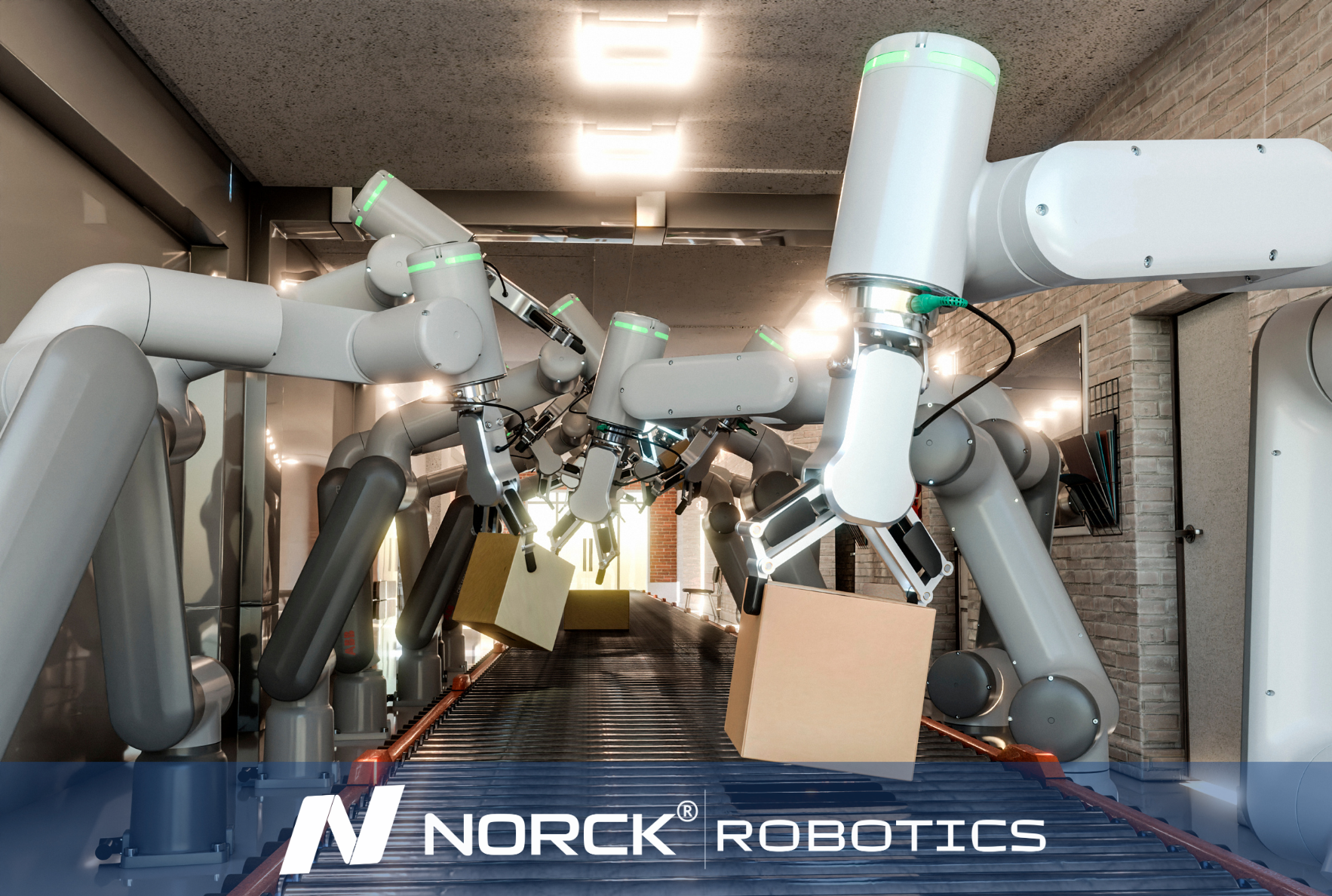
Automated conveyor systems form the basis of materials flow in the automotive production world, automatically moving and directing parts and assemblies from one robotic workstation to another, and from one workstation to manual stations. Automated conveyor system design are a critical means of maintaining a constant pace, continuous production at high speeds, while eliminating manual handling and downtime. The system manages an uninterrupted flow of parts through just-in-time integration of robotic process and manual assembly, establishing both improved throughput and diminishing the potential for each to create a wasteful bottleneck.

  • Continuous material flow: Automated conveyor system components guarantee material flow seamlessly, consistent part flow, and arrive to all operations as required to support unconscious timed movements while maintaining take time.
  • Reduced manual handling: While the use of automated workforce systems, human interventions are minimized, while maximizing safety and efficiency in a controlled environment.
  • Process alignment: Providing continuous movement to flow with the robotic induction cycles encourages a timed automated assembly and work process.
  • Flexibility: Configurable to transport a variety of parts, and in a multitude of ways and locations to suit the production of all parts in a flexible production line.
  • More reliably: Use of brushless motors, absolute and incremental control systems, exact and repeatable positioning, and durable frames means longer reliability.

Commitment to Quality Standards

Norck Robotics, as a division of Norck, proudly operates under ISO 9001:2015 certification.

Key aspects include:

  • International Standards: Ensuring all processes align with globally recognized quality benchmarks.
  • Customer Centric Approach: Prioritizing customer satisfaction through consistent and reliable service.
  • Continuous Improvement: Emphasizing the optimization of operations and workflows.
  • Operational Excellence: Maintaining efficiency and reliability in all activities.

This certification reflects Norck Robotics’ ongoing commitment to quality and performance.

Click here to view our ISO certification.

What components (motors, rollers, controls) are crucial for these systems?

Automated conveyor systems are essential to automotive production by allowing the automated transfer of parts and assemblies between robotic workstations to allow efficient processes. Automated conveyor systems ensure a continuous flow of materials, reducing downtime and better coordinating parts throughout the manufacturing process. It is crucial that these systems are reliable and closely synchronized with operations of robots as any lack of synchronization or reliability will cause delays and potentially lead to issues with quality.

The following components are important for these systems:

  • Motors - Brushless motors are often utilized because they can provide consistent, precise motion to drive the conveyors without disturbances to the flow.
  • Rollers - Rollers are important for reducing friction on the conveyors and for supporting the weight of various parts in the system.
  • Belts - belts provided the means for the automated transportation of parts and assemblies in the required duration of production.
  • Gearboxes - these devices control the speed and torque of the motors relative to the demands of the system.
  • Control Systems - these systems are essential to managing the speed, timing, and level of synchronization with robotic workstations.

How do these systems integrate with robotic cells?

Automated conveyor and transfer system components work hand-in-hand with robotic cells of all types to create an effective, efficient manufacturing process. Entirely tied together, these systems match the flow of parts with the robot's operation to ensure a supply of pieces are in the right place and at the right time for processing. The sensor and control system on the conveyor and the robotic cell communicate to allow the conveyor to be synchronized to the controlled action of the robot, e.g. starting, stopping, or adjusting speed depending upon the status or availability of the robot.

This integration allows the robot to pick, place, assemble, or inspect parts with precision, effectively without waiting, minimizing idle time, and maximizing throughput. The coordination also allows for a more consistent cycle time and overall improved operation of the production line. Conveyors and robotic cells deliver the seamless flow of raw materials through the production system, with the dual purpose of limiting human manual handling of materials and to take the benefit of automated high-speed production in the automotive process.

GET A QUOTE

Norck Robotics – Expertise in Conveyor & Transfer Components Manufacturing

Norck Robotics provides fabrication and equipment used on conveyor components and transfer logistics to precisely move materials reliably in automated, packaging and manufacturing processes. Norck Robotics conveyor system components include rollers, guide rails, diverters, and custom links. Every conveyor system parts must have seamless transitions, their flow is continuous and maintenance needs to be minimal. Whether you are upgrading an existing line or building new, Norck Robotics has solutions to integrate for the movement of material and always keep the systems moving.

  • Consistent transfer: Engineered transfer components ensure product transfers are smooth and the jams are limited.
  • Modular and scalable: Also, you can add or replace components without needing to redesign your entire conveyor system.
  • Support from Norck Robotics: Norck Robotics will help you layout, select components, and optimize your conveyor systems parts performance.
  • Durable: The wear resistant materials in our conveyor system components extend the life of your conveyor systems components, and the life of your conveyor systems, in a high speed cycle.
  • Reliable fit: Our conveyor components can fit into standard conveyor platforms as well as completely custom conveyor systems installations.
  • Transfer components for demanding environments: Transfer components built to maintain their performance through continuously transferring products.

UNMATCHED ROBOTICS ENGINEERING SUPPORT

design for manufacturability
Integrated System Design

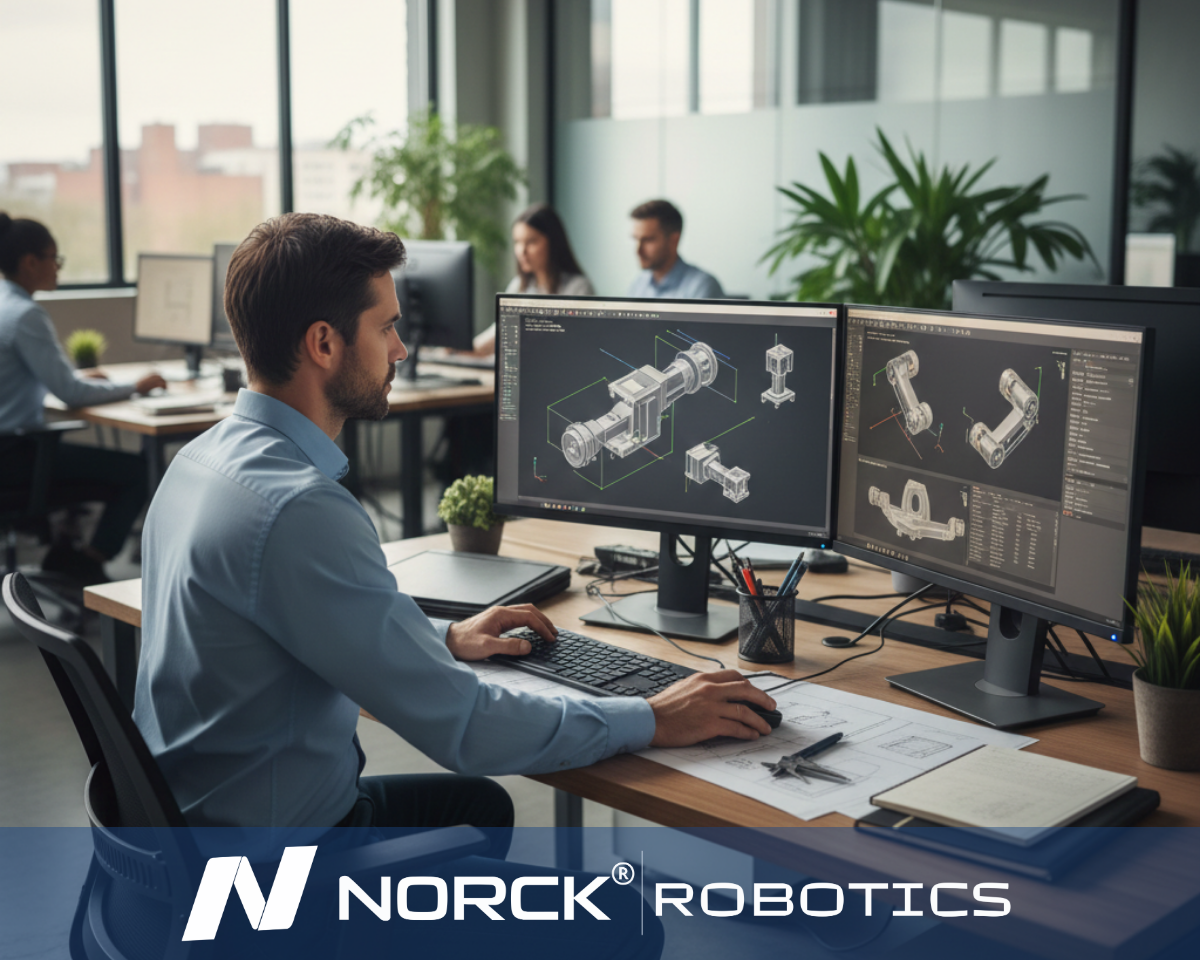
Norck Robotics specializes in providing unique robotic automation and engineering solutions designed to meet the specific operational needs of each client. Our expertise covers a wide range of industries and applications.

engineering automation expertise
Engineering Expertise, Every Step of Automation

Norck Robotics delivers turnkey robotic automation and engineering solutions tailored to your specific needs across various industries.

scalable robotics solutions
Your Solution, Your Scale

Whether you need a single robotic cell prototype or full-scale factory automation, Norck Robotics engineers are ready to collaborate with you to bring your concept to life.

automation system optimization
Optimize Your System for Automation

Norck Robotics engineers analyze your existing processes to provide feedback that enhances efficiency, cost-effectiveness, and productivity for robotic integration.

WHY NORCK ROBOTICS?

robotics integration

Access Broad Integration and Project Capacity

In addition to its own expert engineering team, Norck Robotics provides access to a network of hundreds of top-tier system integrators, robot manufacturers, and component suppliers across the United States, Germany, and Europe.

supply chain automation

Create Resilience in Your Supply Chain

Working with Norck Robotics reduces dependency on manual labor, increases production consistency, and secures your operations against unforeseen disruptions, quality issues, and fluctuations. This enhances your company's supply chain resilience.

technology driven robotics

Technology-Driven Solutions

Norck Robotics advances digital automation by developing custom-designed robot grippers, advanced vision systems, and innovative simulation software. With an AI-driven, data-centric approach, it enables smarter system design, optimal performance, and predictive maintenance solutions.

Sustainable engineering approach

Environment-Focused Approach

Norck Robotics encourages its partners to be carbon-neutral by reducing energy consumption and material waste through the efficiency of robotic automation, and prioritizes environmentally conscious suppliers.

GET A QUOTE